
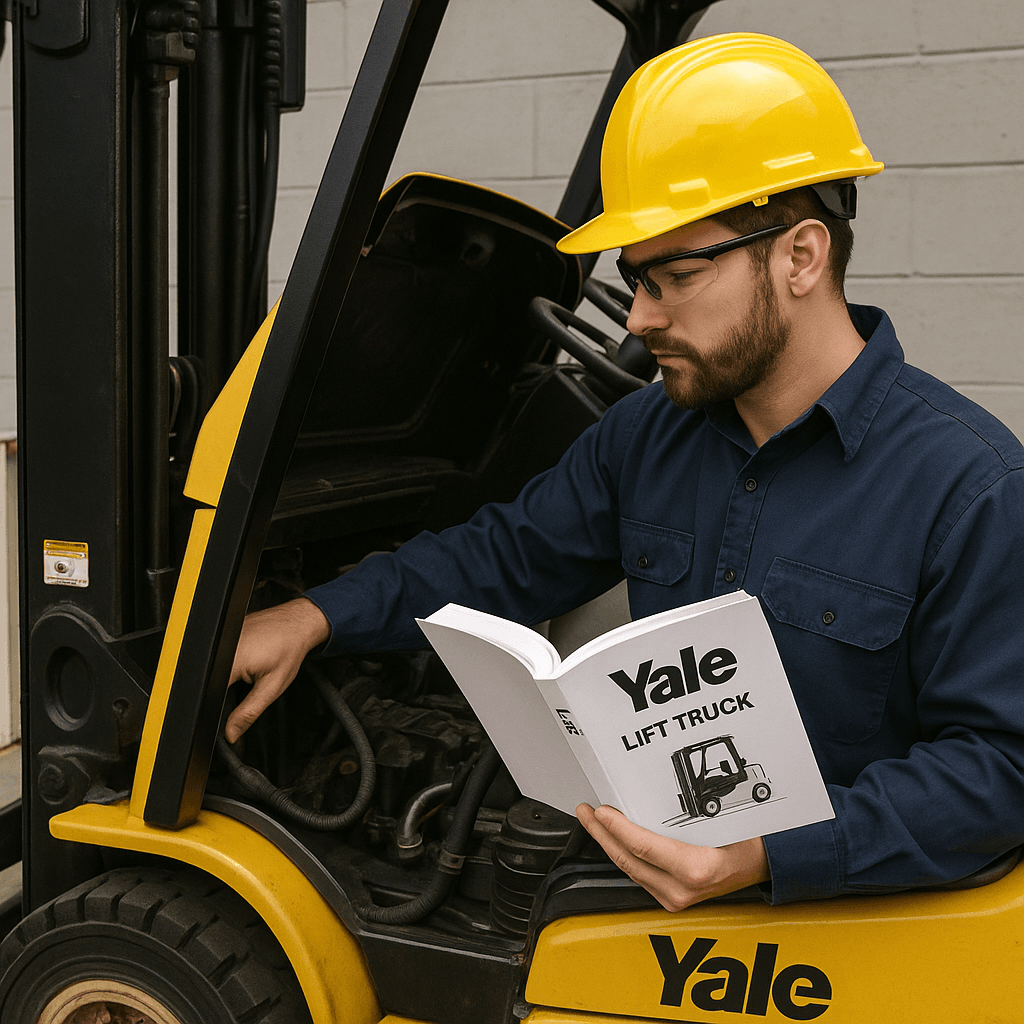
Yale Lift Trucks are renowned for their durability and efficiency in various industrial applications. However, like any machinery, they require regular maintenance and occasional repairs to keep them operating at peak performance. A comprehensive understanding of your Yale Lift Truck manual can be invaluable in diagnosing and fixing issues quickly and effectively. This article will guide you through using the manual to make repairs, ensuring that your lift truck is back in action without unnecessary downtime.
Understanding Your Yale Lift Truck Manual Basics
The Yale Lift Truck manual is an essential resource that provides detailed information on the operation, maintenance, and repair of your lift truck. It is structured to offer easy navigation through its various sections, allowing operators and technicians to find specific information quickly. The manual typically includes a table of contents, safety instructions, operational guidelines, and troubleshooting tips. Familiarizing yourself with these sections will enable you to utilize the manual efficiently when issues arise.
Each model of Yale Lift Truck may have specific requirements and components, and the manual is tailored to address these unique aspects. Pay close attention to the model number and specifications at the beginning of the manual to ensure you are referencing the correct information for your particular lift truck. This will prevent any potential errors in maintenance or repair procedures that could arise from using incorrect data.
Safety is a crucial aspect emphasized throughout the manual. Before attempting any repairs, it is imperative to review the safety guidelines to protect yourself and others from potential hazards. The manual outlines the necessary precautions and protective equipment needed during maintenance or repair tasks, ensuring that safety remains a priority.
The manual also provides a list of recommended maintenance schedules and procedures to keep your Yale Lift Truck in optimal condition. By adhering to these guidelines, you can prevent many common issues from occurring, thereby extending the lifespan of your equipment and maintaining its reliability.
Identifying Common Issues with Your Lift Truck
Yale Lift Trucks, like any other machinery, can experience a range of issues that may affect their performance. Identifying these issues early on is crucial to preventing further damage and costly repairs. Common problems include engine malfunctions, hydraulic system failures, electrical issues, and wear and tear of parts such as tires and forks. The manual’s troubleshooting section is a valuable resource for diagnosing these problems.
The troubleshooting section of the manual is organized to help you identify symptoms and potential causes of malfunctions. It often includes flowcharts and diagnostic checklists that guide you through a systematic process of elimination to pinpoint the root cause of the issue. This structured approach can save time and effort, allowing you to address the problem efficiently.
In addition to troubleshooting, the manual provides insights into preventive maintenance strategies that can minimize the occurrence of common issues. Regularly checking fluid levels, inspecting parts for wear, and adhering to scheduled maintenance can significantly reduce the likelihood of unexpected breakdowns. The manual outlines these preventive measures in detail, emphasizing their importance in maintaining the lift truck’s performance.
Understanding the typical lifespan and wear patterns of various components in your lift truck is also beneficial. The manual provides specifications and tolerances for different parts, enabling you to assess when replacements or repairs are necessary. This proactive approach can prevent minor issues from escalating into major repairs, saving both time and money in the long run.
Step-by-Step Guide to Manual-Based Repairs
Once you have identified the issue with your Yale Lift Truck, the manual provides a step-by-step guide to performing the necessary repairs. This section is crucial for ensuring that repairs are conducted correctly and safely. It includes detailed instructions, diagrams, and illustrations that demonstrate the repair process, making it easier to follow even for those with limited technical experience.
Begin by gathering all the necessary tools and parts as indicated in the manual. Having everything you need at hand will streamline the repair process and reduce the risk of errors. The manual typically lists the required tools at the start of each repair procedure, ensuring you are well-prepared before beginning the task.
Follow the repair instructions meticulously, taking care to adhere to any specific torque settings or alignment specifications provided in the manual. These details are critical for ensuring that the repair is successful and that the lift truck operates safely and efficiently afterward. If you encounter any difficulties or uncertainties, refer back to the manual’s diagrams and illustrations for clarification.
After completing the repair, conduct a thorough inspection and test the lift truck to ensure that the issue has been resolved. The manual often includes post-repair testing procedures to verify that the lift truck is functioning correctly. This final step is essential for confirming the success of the repair and preventing any unforeseen problems during operation.
Essential Tools for Effective Lift Truck Maintenance
Having the right tools is essential for performing effective maintenance and repairs on your Yale Lift Truck. The manual provides a comprehensive list of recommended tools and equipment tailored to the specific needs of your model. Common tools include wrenches, screwdrivers, pliers, and specialized diagnostic equipment, each serving a vital role in the maintenance process.
Investing in high-quality tools can significantly impact the efficiency and success of your maintenance efforts. Quality tools not only provide better performance but also ensure safety during repairs. The manual may also suggest specific brands or models of tools that are best suited for particular tasks, helping you make informed purchasing decisions.
Organizing your tools and creating a dedicated workspace for lift truck maintenance can further enhance your efficiency. The manual can guide you in setting up a workspace that is both safe and functional, ensuring that you have easy access to all necessary tools and equipment. This organization minimizes downtime and allows for more streamlined repair processes.
In addition to physical tools, the manual may recommend software or digital diagnostic tools that can aid in identifying and resolving complex issues. Staying up-to-date with the latest technological advancements in lift truck maintenance can provide you with additional resources and capabilities, enhancing your ability to maintain and repair your Yale Lift Truck effectively.
Utilizing your Yale Lift Truck manual effectively can make a significant difference in maintaining the longevity and performance of your equipment. By understanding the manual’s structure, identifying common issues, following detailed repair instructions, and using the right tools, you can ensure that your lift truck remains in top operational condition. For more information, resources, and support, visit Yale Lift Truck.